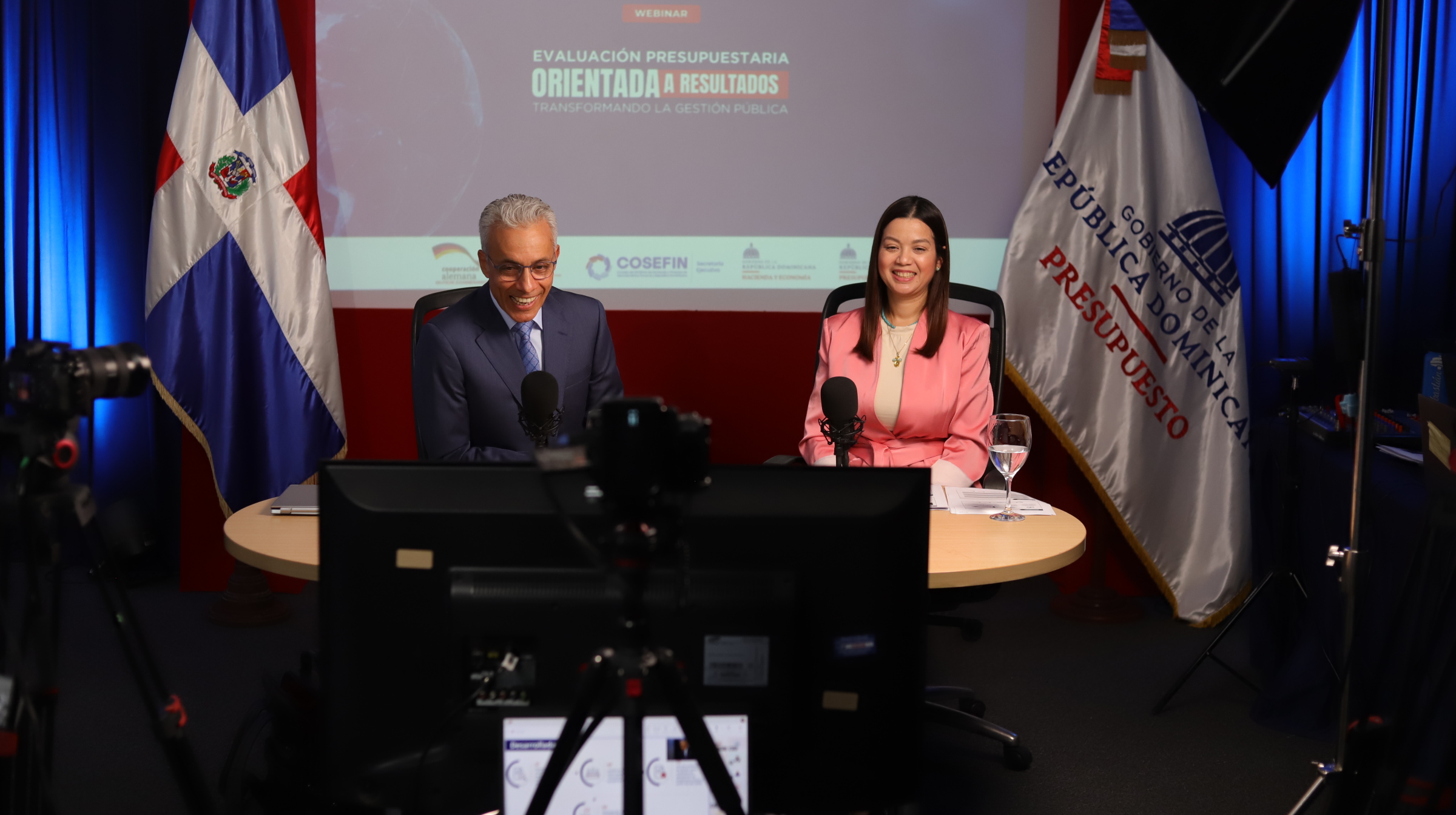
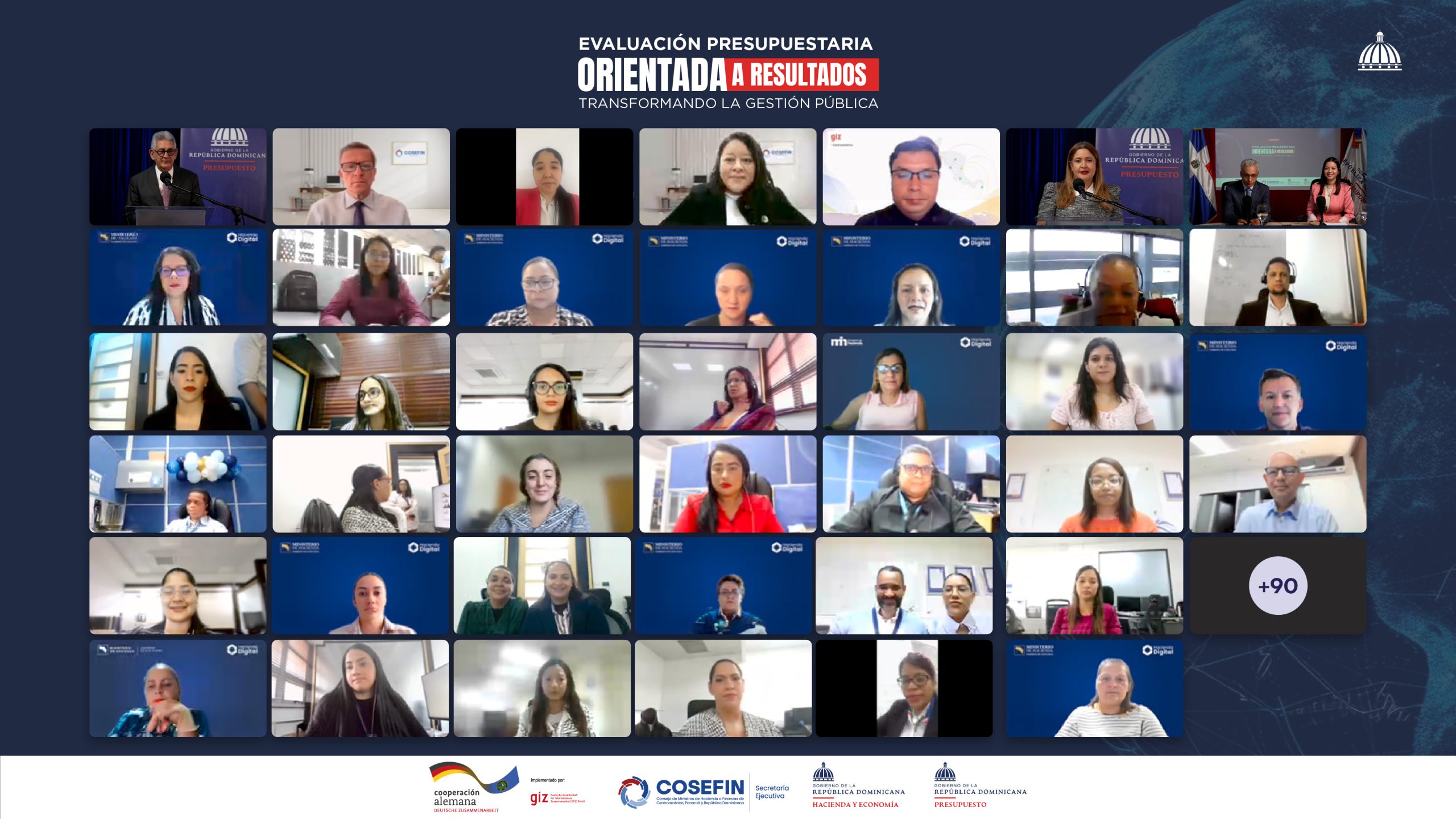
Santo Domingo, Dominican Republic. – Within the framework of the cooperation promoted by the Financial Good Governance Programme for a Green and Sustainable Economic Recovery in SICA Member States, implemented by German Development Cooperation (GIZ) together with the Executive Secretariat of COSEFIN, the General Directorate of Budget (DIGEPRES) shared the Dominican Republic’s experience in evaluating results-oriented budget programmes with the member countries of the Council of Ministers of Finance of Central America, Panama and the Dominican Republic (COSEFIN), during the webinar “Results-Oriented Budget Evaluation: Transforming Public Management.”
The event brought together authorities, specialists and technical teams from the region’s ministries of finance and budget directorates to exchange experiences and reflect on one of the main challenges facing public administrations: ensuring that public resources translate into tangible results that improve citizens’ quality of life.
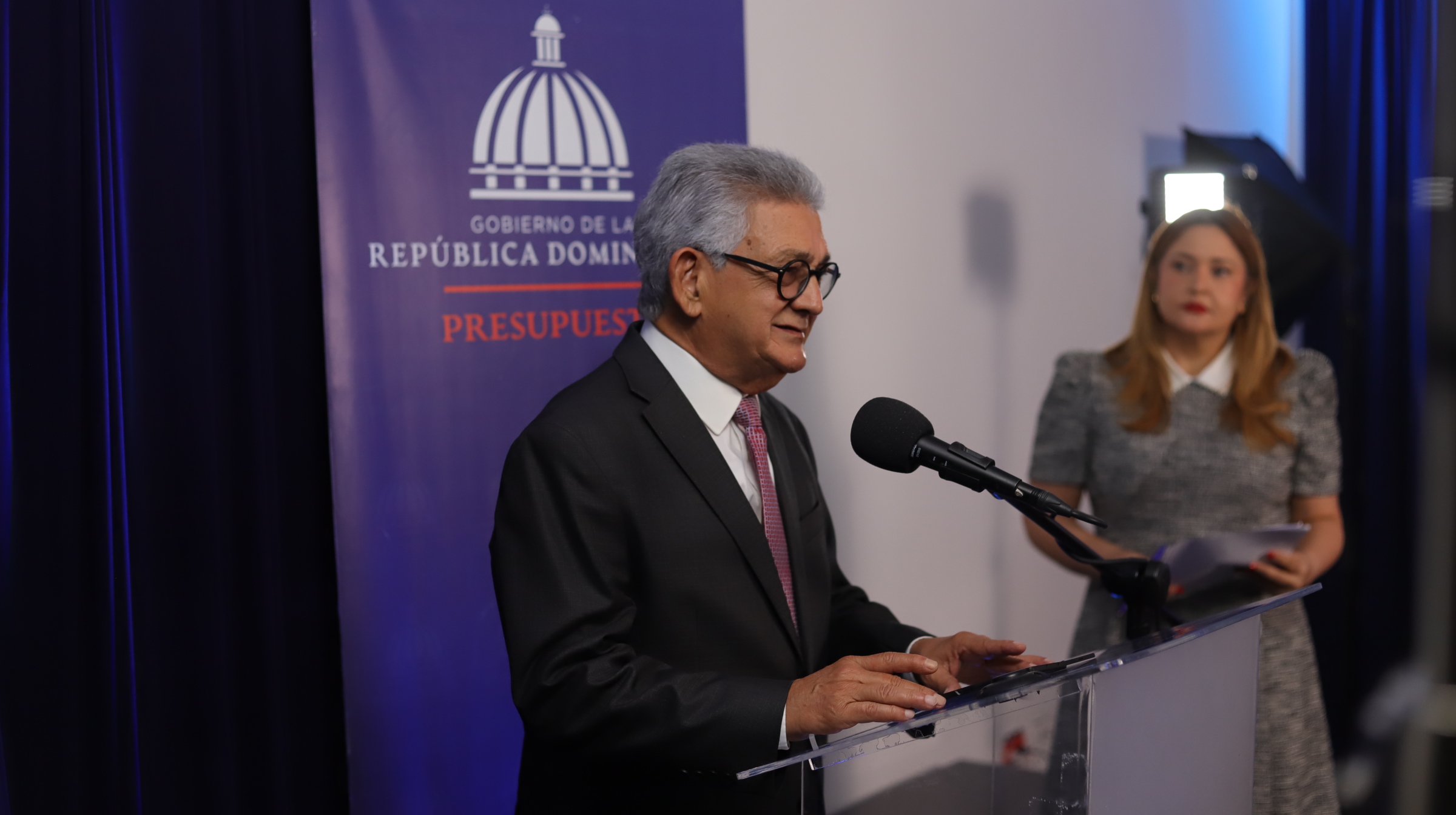
Opening remarks were delivered by Sandra Stelzner, Director of GIZ’s Financial Good Governance Programme within the Central American Integration System (SICA); Dr. Federico Rivera Romero, Executive Secretary of COSEFIN; José Rijo Presbot, Vice Minister of Budget, Assets and Accounting and Director General of Budget; and Camila Hernández Villamán, Vice Minister of Fiscal Policy at the Ministry of Finance.
During her remarks, Sandra Stelzner highlighted that evaluating public policies makes it possible to identify what works and which areas require adjustment, thereby supporting a more efficient allocation of public resources in priority areas such as health, care for older persons, employment and the protection of vulnerable populations. Dr. Federico Rivera Romero, for his part, emphasized that evaluations are a fundamental tool for strengthening decision-making processes, improving public policies and ensuring that the benefits of public investment reach those who need them most more effectively.
José Rijo Presbot also underscored that evaluating results-oriented budget programmes represents a strategic tool for strengthening the quality of public expenditure, promoting evidence-based management and ensuring that public resources generate a positive and measurable impact on citizens’ lives. Similarly, Camila Hernández emphasized that, in a context of limited resources and growing social demands, budgets must be managed efficiently and effectively, while maintaining a focus on achieving development objectives and strengthening regional technical exchange as a mechanism for continuously improving public policies.
As the central focus of the webinar, the Dominican Republic presented the progress achieved in developing a methodology for evaluating Results-Oriented Budget Programmes (PPoR, by their Spanish acronym), a process led by DIGEPRES with technical support from GIZ since 2024. The event also addressed the regulatory and methodological aspects that have made it possible to consolidate this important advancement in results-based budget management.
To date, the country has conducted evaluations of priority programmes related to tuberculosis prevention and care and the comprehensive protection of older persons, in addition to carrying out an analysis of the programme to reduce adolescent pregnancy. These exercises have strengthened the technical capacities of the institutions responsible for planning, implementing and evaluating public expenditure, while generating valuable evidence for the continuous improvement of public policies.
As part of this institutional strengthening process, DIGEPRES continues to develop new evaluations in 2026, including an evaluation of the programme aimed at increasing employment, thereby consolidating a culture of evaluation that contributes to increasingly efficient, transparent and results-oriented public management.
Sharing knowledge to strengthen the region
One of the event’s main objectives was to promote learning and cooperation among COSEFIN member countries, enabling the Dominican Republic’s experience to serve as a reference for strengthening budget and evaluation systems throughout the region.
During the event, international consultant Rafael Gómez presented a systematization of the Dominican experience, outlining the evolution of the country’s PPoR evaluation process, the factors that made its implementation possible, the lessons learned and recommendations for adapting the approach to other national contexts.
Ana Miguelina Terrero, Head of Budget Performance Evaluation at DIGEPRES, also presented the regulatory and methodological framework underpinning the implementation of Results-Oriented Budget Programmes in the Dominican Republic, as well as the main enabling factors and the evolution of this model in the country.
Cooperation for greater-impact public management
These advances are supported by the German Federal Ministry for Economic Cooperation and Development (BMZ), through German Development Cooperation (GIZ) and the Financial Good Governance Programme for a Green and Sustainable Economic Recovery in SICA Member States. Together with DIGEPRES and the Executive Secretariat of COSEFIN, this initiative promotes the exchange of experiences and the dissemination of good practices across Central America, Belize and the Dominican Republic.
The experience presented by the Dominican Republic demonstrates how the evaluation of public programmes strengthens institutional management, improves evidence-based decision-making and contributes to a more strategic use of public resources. At the same time, it highlights the value of regional cooperation in promoting more effective and transparent public policies focused on delivering tangible results for citizens.