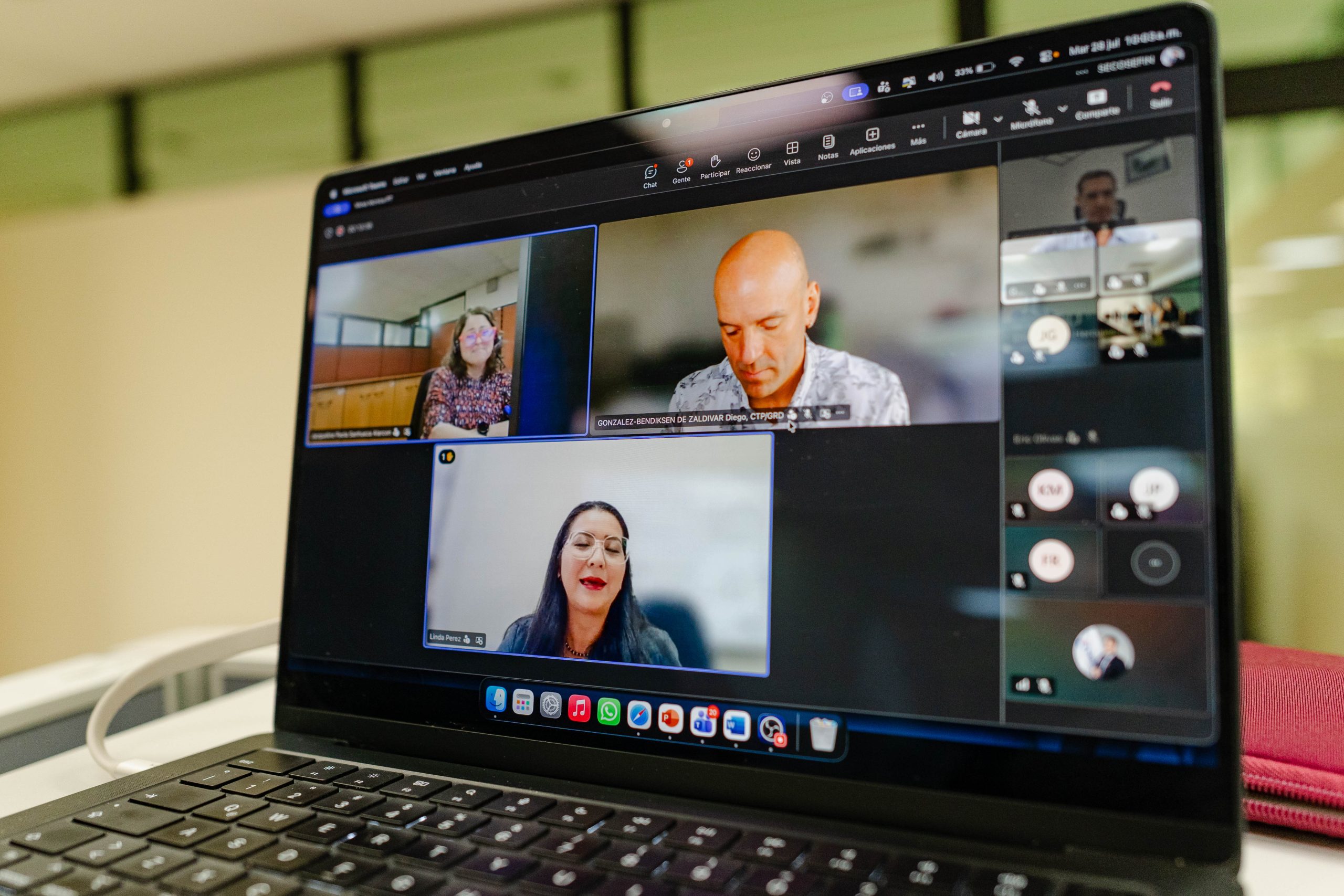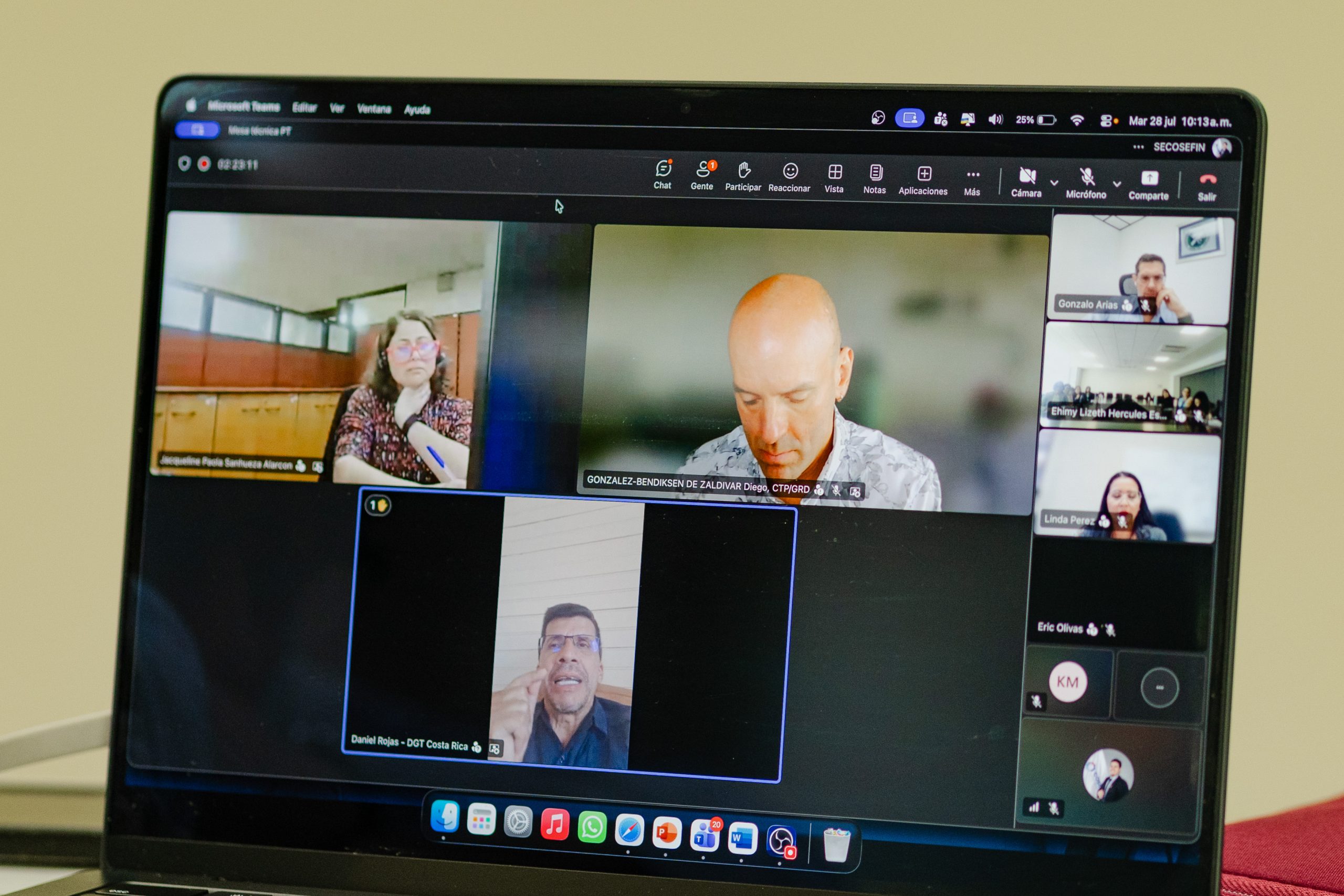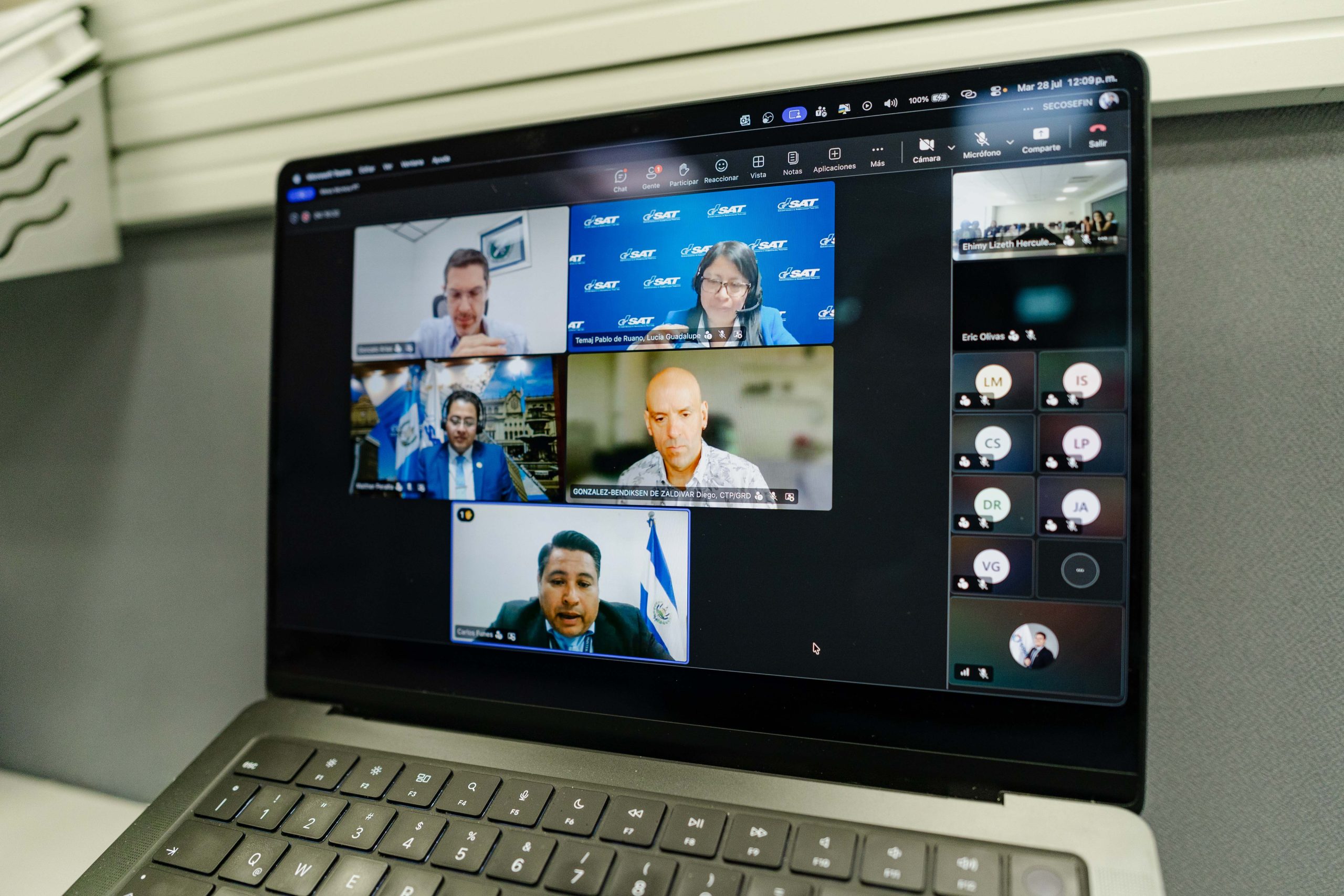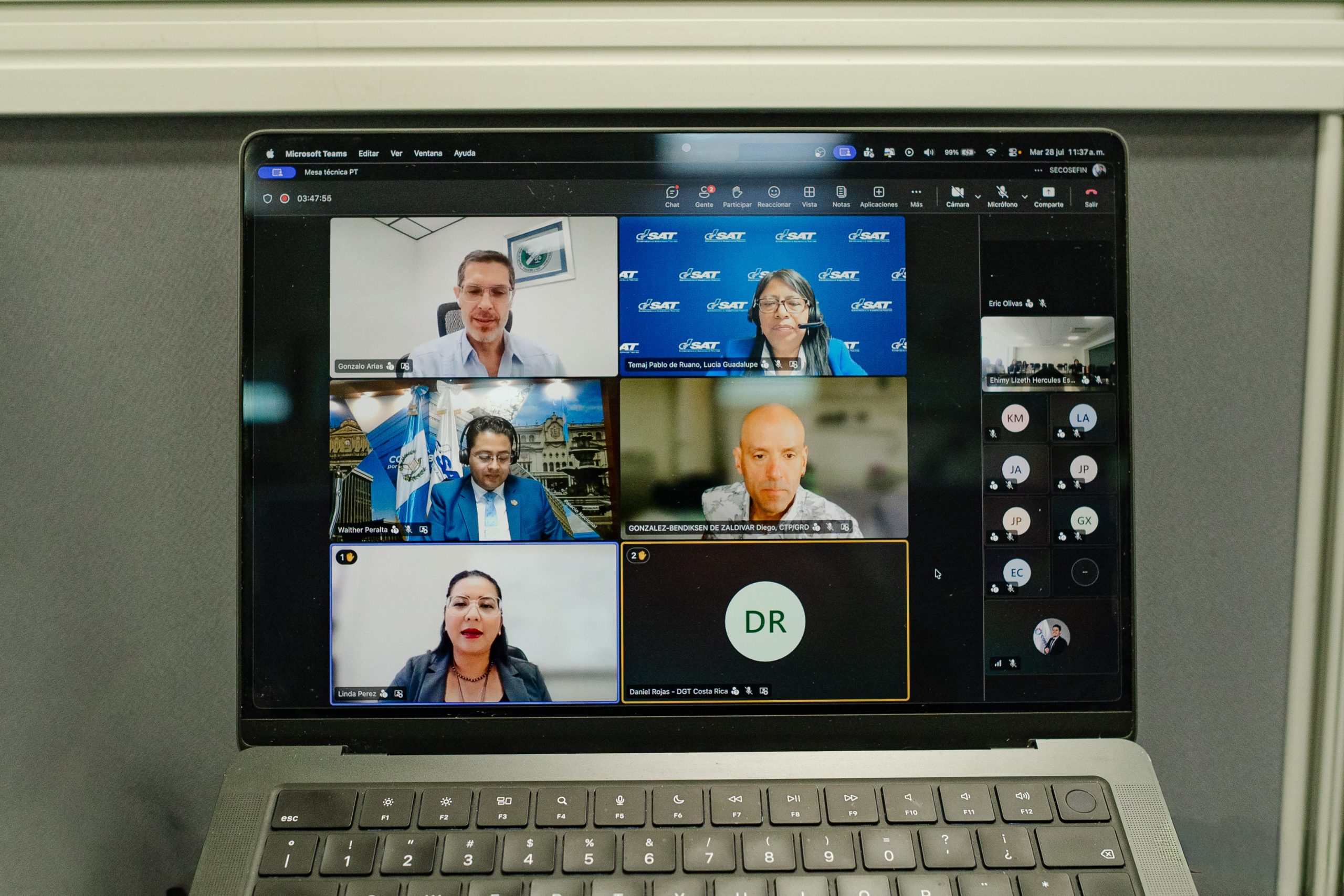
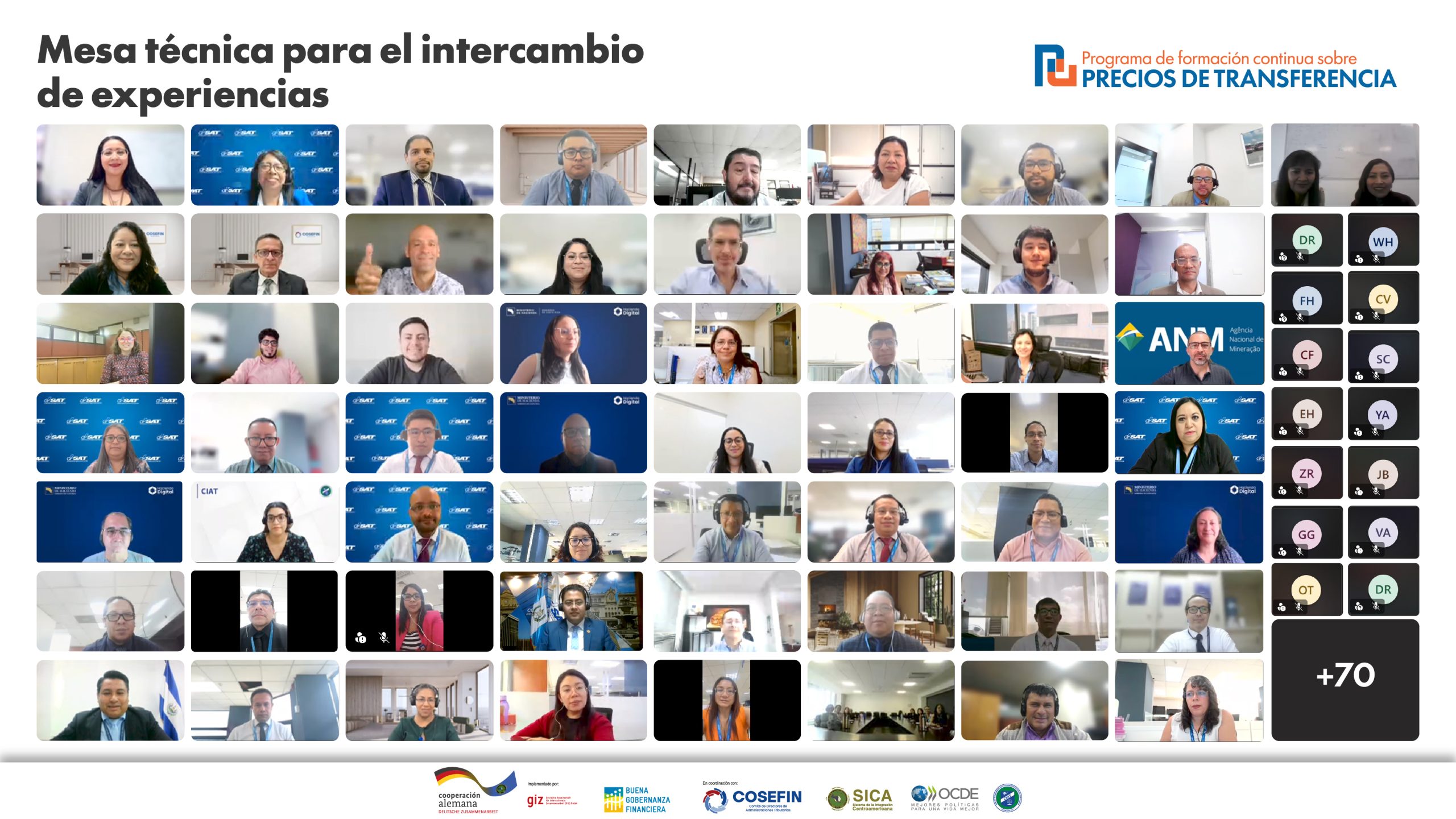
Central America, July 28, 2026. More than 140 officials from tax administrations across Central America, the Dominican Republic, and other Latin American countries participated in the Technical Roundtable for the Exchange of Experiences in Transfer Pricing Audits. This regional forum for specialized dialogue sought to strengthen institutional capacities through the analysis of real cases, knowledge exchange, and the joint identification of solutions to common tax challenges.
The activity was part of an initiative promoted by COSEFIN’s Committee of Directors of Tax Administrations (CDAT) to consolidate permanent mechanisms for technical cooperation among tax administrations, foster collaborative learning, and strengthen tax audit capacities throughout the region.
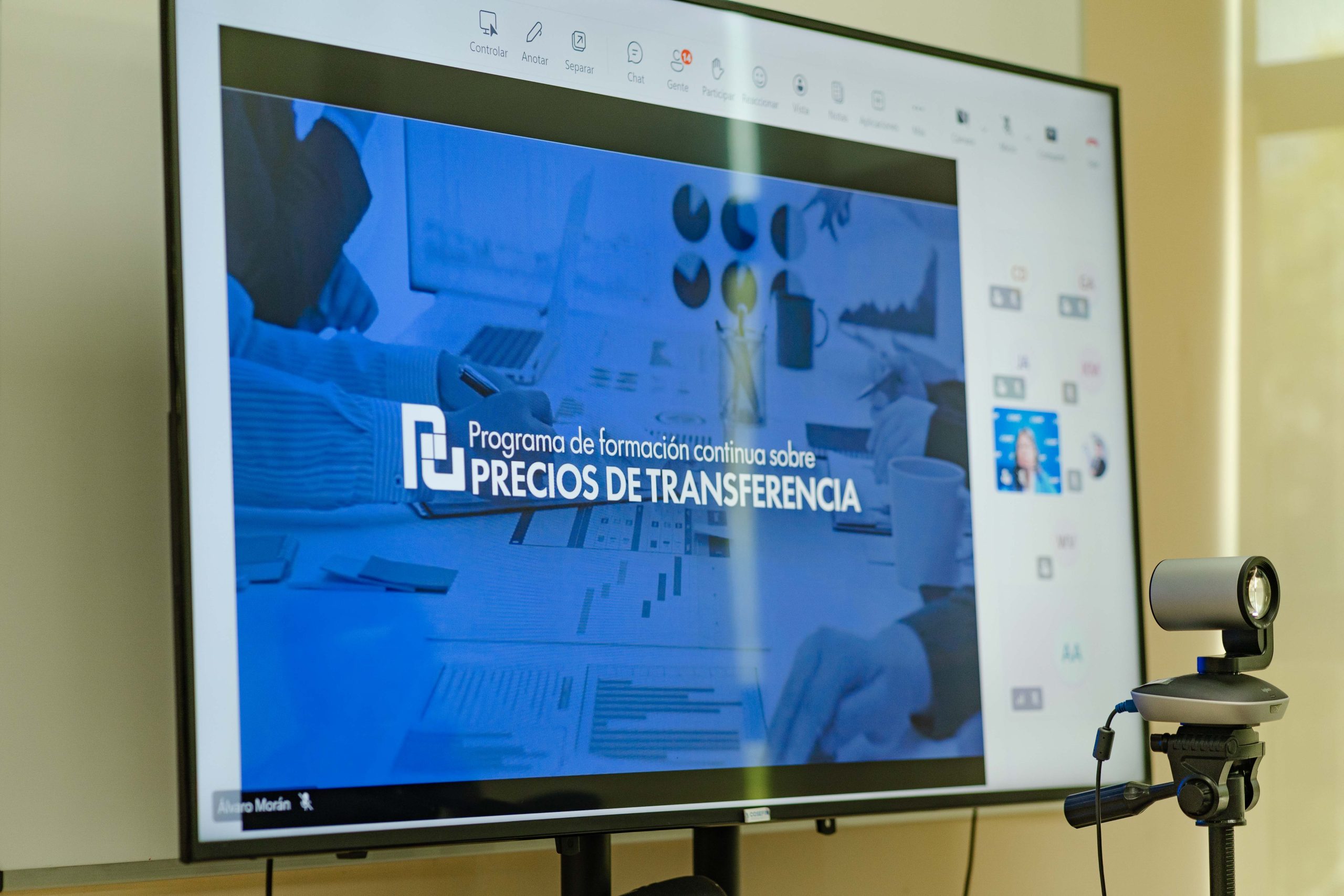
The technical roundtable was jointly organized by the Executive Secretariat of the Council of Ministers of Finance of Central America, Panama, and the Dominican Republic (SECOSEFIN), the Organisation for Economic Co-operation and Development (OECD), German Development Cooperation, implemented by GIZ, and the Inter-American Center of Tax Administrations (CIAT), within the framework of the Continuing Training Programme on Transfer Pricing.
In addition to representatives from COSEFIN member countries, the event brought together specialists from the tax administrations of Argentina, Bolivia, Brazil, Chile, Ecuador, and Paraguay. This diversity of experiences enriched the technical analysis and demonstrated the value of peer-to-peer cooperation as a means of accelerating capacity development and strengthening tax compliance and enforcement efforts.
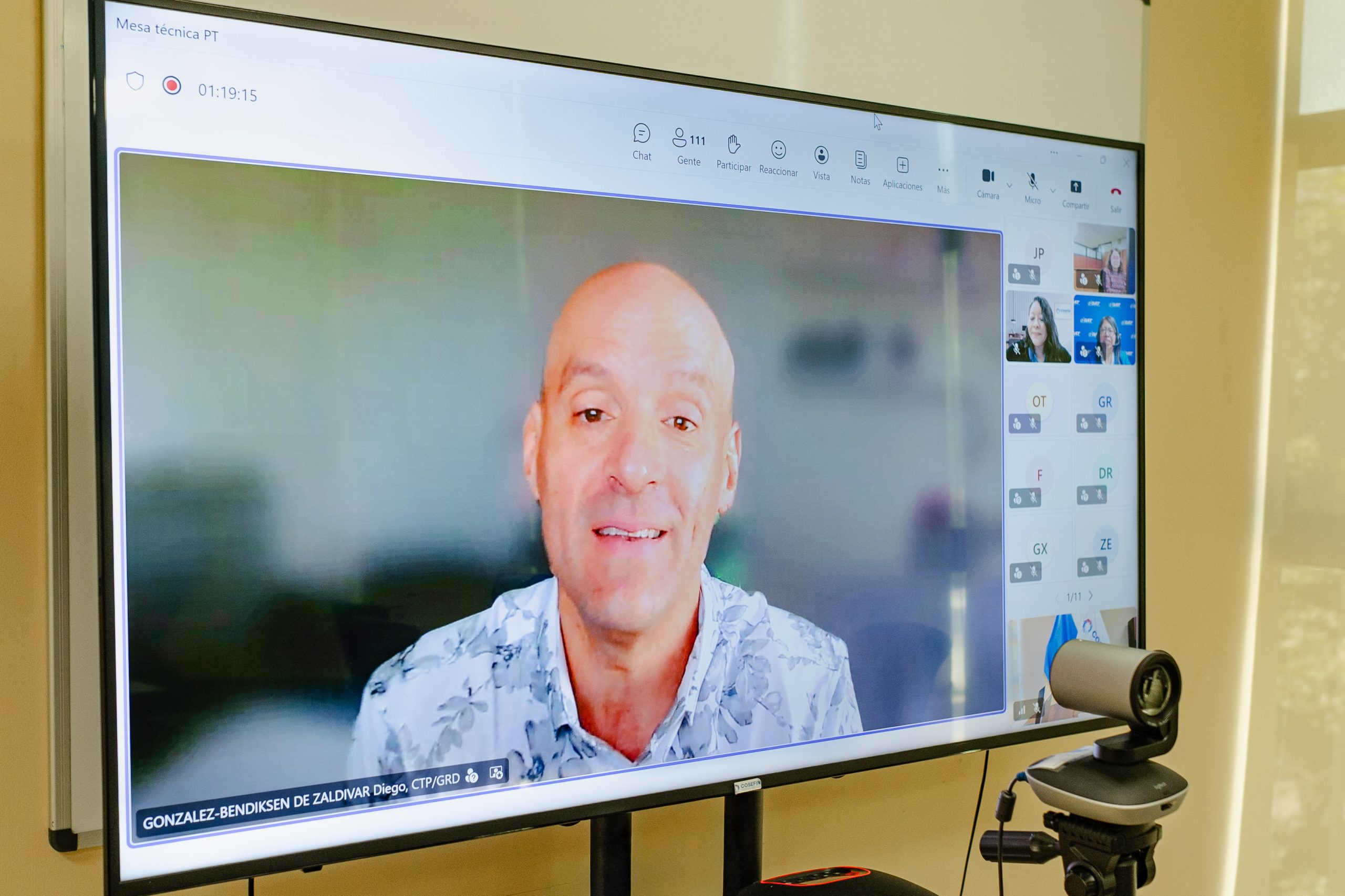
During the opening session, Diego González, Tax Advisor at the OECD, noted that countries in the region face similar tax challenges. He therefore emphasized the importance of establishing permanent spaces for sharing experiences, approaches, and lessons learned that contribute to strengthening the institutional capacities of tax administrations in the field of auditing.
Gonzalo Arias, Director of Cooperation and International Taxation at CIAT, highlighted the importance of peer-to-peer cooperation in accelerating institutional learning and jointly addressing the challenges posed by an increasingly complex and dynamic economic environment.
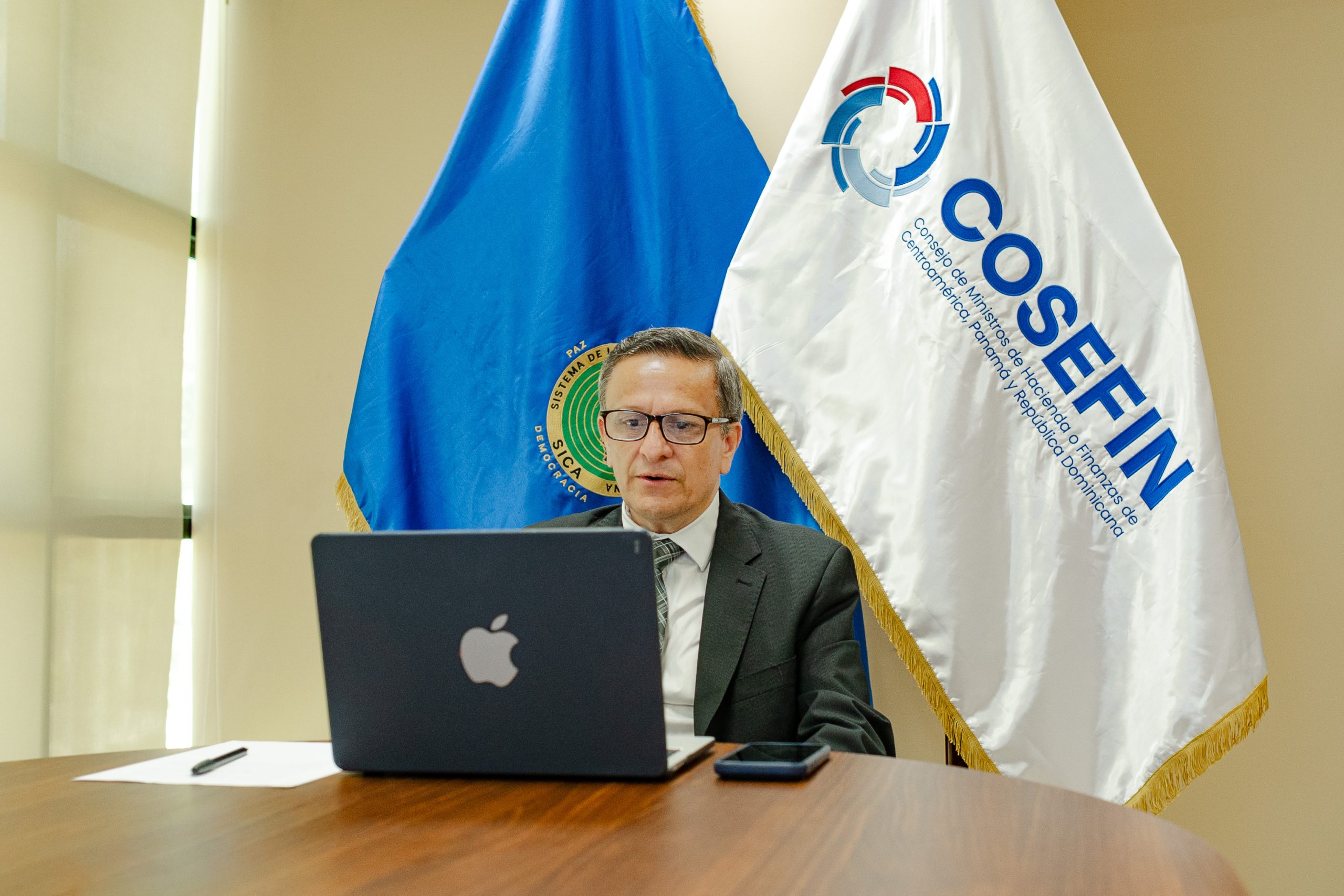
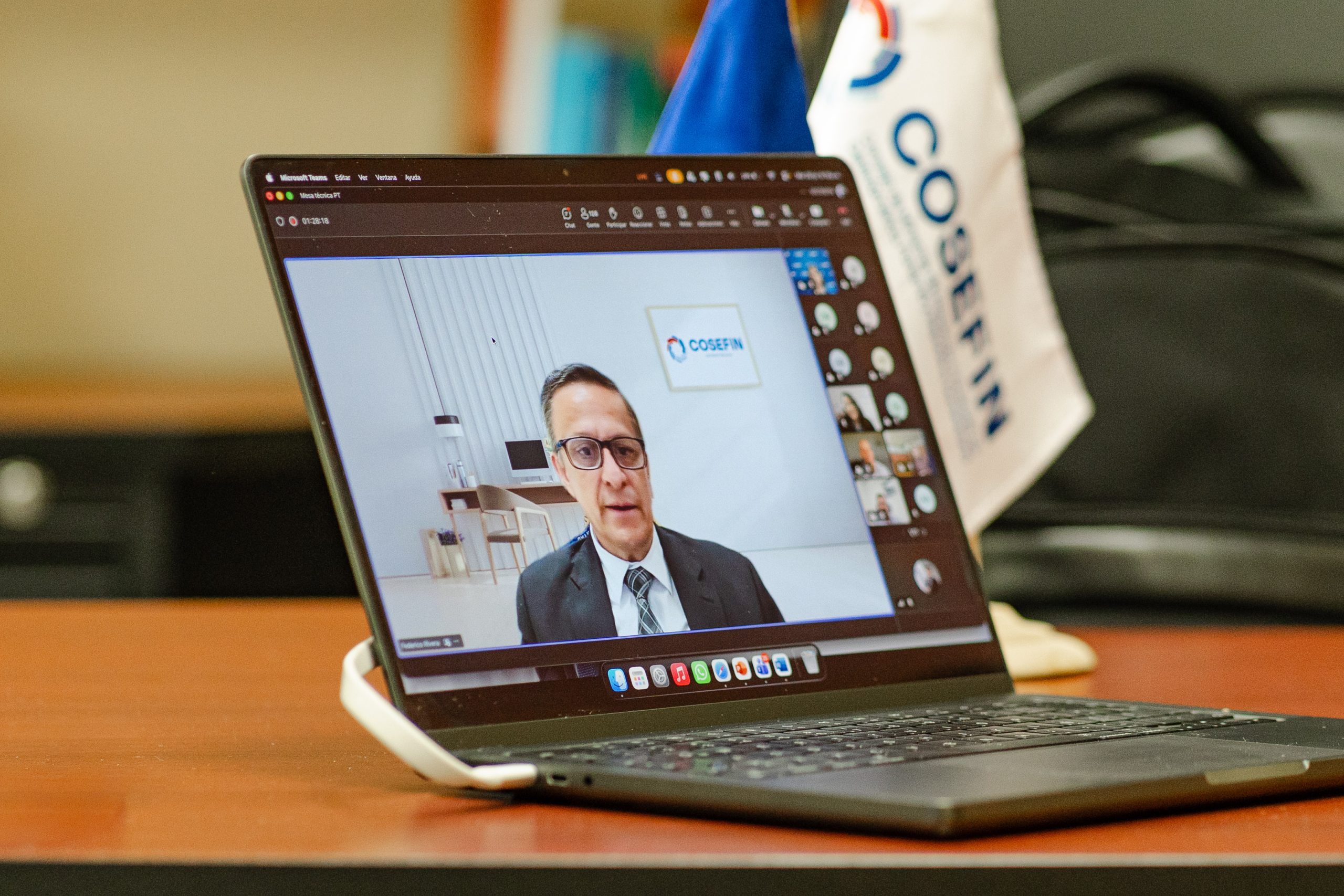
Representing COSEFIN, Executive Secretary Dr. Federico Rivera Romero stressed that strengthening tax collection requires not only technical capacities, but also regional coordination, the exchange of experiences, and cooperation mechanisms that can enhance the effectiveness of the region’s tax administrations.
The event focused on two case studies presented by specialists from the tax administrations of Chile and Guatemala, addressing the auditing of financial transactions and the hydrocarbons sector, respectively. Drawing on these cases, participants examined audit approaches, methodologies, operational challenges, and potential solutions implemented across different jurisdictions.
One of the main outcomes of the meeting was the exchange of practical experiences among tax administrations in the region. The discussions enabled participants to compare technical criteria, identify shared challenges, and develop useful recommendations to strengthen the application of international standards and improve audit processes in each country.
The technical roundtable builds on the regional workshops held in Costa Rica, Mexico, and Guatemala since 2023 and represents a further step toward establishing a permanent mechanism for cooperation and knowledge exchange on transfer pricing.
This initiative reflects the commitment of COSEFIN member countries, together with the OECD, CIAT, and German Development Cooperation, implemented by GIZ, to strengthening regional cooperation and promoting coordinated responses to increasingly complex tax challenges. Through these forums, the region continues to develop technical capacities, exchange good practices, and strengthen a regional tax community capable of jointly addressing the challenges of international taxation.